Managing Heat Stress in Laying Hens: Effects on Productivity and Eggshell Quality
By Joaquin Percebal DVM MSc MRCVS
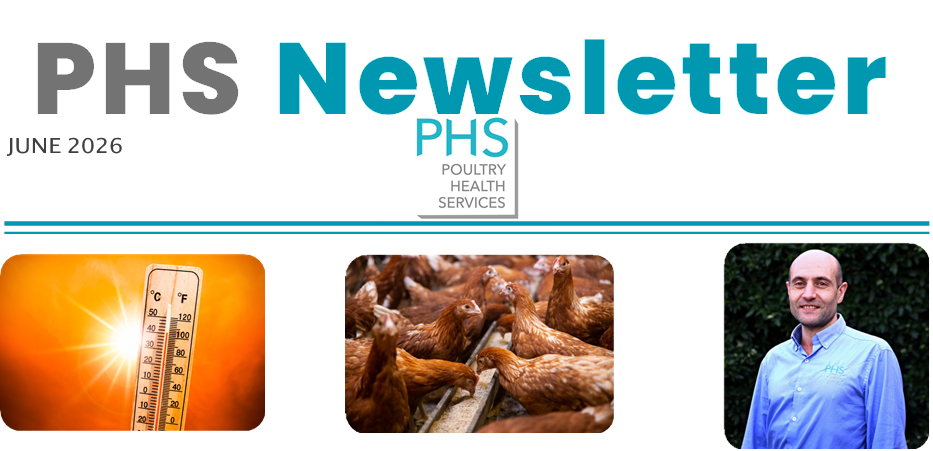
High ambient temperatures, especially above 30°C, leads to physiological and behavioural changes that negatively affect productivity. Heat stress reduces feed intake and therefore causes lower egg production as a result.
Eggshell quality is also affected because as birds pant to lose heat, there is excessive loss of CO2 in blood, which in turn causes blood pH to rise (alkalosis) and it reduces the activity of the enzyme carbonic anhydrase, resulting in lower calcium and carbonate ions transferred from blood to the oviduct, leading to fragile eggshells.
Several management practices can reduce the effects of heat stress in laying hens. Providing adequate ventilation to keep the shed under 26 oC, protecting the header tanks and water pipes from direct sunlight, flushing the drinking lines to keep the water cool, and feeding the flock during the cooler parts of the day is essential to help the flock during hot weather conditions.
Nutritional adjustments, such as the addition of potassium chloride or ammonium chloride can reduce the blood alkalosis, and the addition of sodium bicarbonate increases the availability of bicarbonate ion in blood for the deposition of calcium carbonate in the oviduct. The digestion of protein increases the heat production during digestion. Reducing the percentage of crude protein using sources of protein containing highly available amino acids and increasing the proportion of energy from highly digestible lipids, rather than starch or proteins, will reduce the heat production during digestion.
Supplements through the drinking water containing electrolytes, vitamins, chelated zinc and copper contribute to ameliorate the effects of the heat stress on the hens. Zinc also improves the activity of the enzyme carbonic anhydrase.
News from Newbridge Scientific
Join’s Campden BRI Retailer Supplementary Audit (RSA) Scheme to expand our Salmonella testing capabilities
By Cosmin Chintoan-Uta BVSc MSc PhD FHEA MRCVS

We are pleased to announce that Newbridge Scientific has joined the Campden BRI Retailer Supplementary Audit (RSA) Scheme, having received approval for the examination of shell-on eggs following the British Egg Industry Council (BEIC) method and the examination of environmental sponge swabs using the RVS/MKTTn enrichment method, both for Salmonella.
Membership of the RSA Scheme is recognised by Tesco and Marks & Spencer as meeting their supplier testing requirements. This means that clients supplying products to these retailers, who may previously have needed to send certain samples to other laboratories, can now use Newbridge Scientific for this testing, consolidating their Salmonella surveillance with a laboratory they already know and trust.
Scheme membership followed a rigorous assessment process, including a site visit by Campden BRI assessors to evaluate our facilities, methods, and quality systems, and we are delighted to have met the standards required.
These new capabilities complement our existing accredited Salmonella testing portfolio and reflect our ongoing commitment to expanding the services we can offer to clients across the food production sector.
If you would like to discuss how RSA Scheme membership could support your business, please do not hesitate to contact us.
Pig & Poultry Fair was a huge success
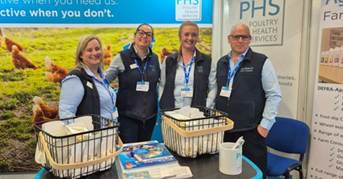
What a busy and rewarding two days we had at the Pig and Poultry Fair 2026 back in May!
From welcoming visitors to our stand, to Sara taking part in the Women in Agriculture discussion and networking panel, and celebrating one of our clients
winning an award, it was fantastic to be involved in so many highlights throughout the event.
A huge thank you to the organisers for putting together such a successful show, and to everyone who stopped by to chat, connect, and learn more about what we do. It was great to catch up with familiar faces and meet new ones.
New- DEFRA Funded Vet Poultry Biosecurity Reviews- don’t miss out!
Defra is introducing a Poultry Biosecurity Review which is a funded vet visit designed to give
you practical, site-specific advice based on how your business works so that you can
reduce the risk of diseases getting into your flock.
You can find more information in this link :
https://defrafarming.blog.gov.uk/2026/06/02/funded-poultry-biosecurity-vet-visits-now-
available/
On 18 June at 11am, Defra will be hosting an on line webinar where you can learn more
about the review, what it covers and how to apply.
For registration, please go to this link: https://www.eventbrite.com/e/new-funded-poultry-
biosecurity-reviews-tickets-1989661532203?aff=oddtdtcreator
If you wish to discuss with your vet, just contact your local branch.