RSPCA Requirements for Natural Daylight Through Popholes for Free-Range Producers from 01/12/2026
By Cosmin Chintoan-Uta BVSc MSc PhD FHEA MRCVS

RSPCA Assured has confirmed that a new welfare standard requiring natural daylight to be provided through popholes during housing periods will come into effect for all free-range flocks placed from 1 December 2026.
Standard E6.4 applies when birds are housed during daylight hours and cannot access the range, whether due to a compulsory housing order, bad weather, or veterinary advice. The standard requires that the natural daylight ordinarily entering the shed through open popholes is maintained whenever those popholes are closed. This means producers must make permanent modifications to their popholes to allow natural daylight to pass through even when birds are confined indoors.
The most straightforward solution is to fit transparent or translucent materials, such as toughened glass or acrylic panels, into pophole doors. These modifications must be permanent rather than temporary, as housing situations can arise at short notice and the standard applies whenever popholes are closed, including during routine maintenance. All popholes must be modified regardless of shed type, ventilation system, or whether windows are already present.
The RSPCA assured’s rationale is supported by laying hens’ demonstrable preferences for natural daylight. Hens rely on the full light spectrum, including UVA wavelengths, to support circadian rhythms, natural behaviour, and visual function. Birds kept under artificial light alone during housing periods lose access to a key component of their normal environment.
The standard applies to flocks placed on or after 1 December 2026, so producers with upcoming flock placements should be planning modifications now. Those with compliant verandas to which birds have continuous access while housed are exempt from the pophole requirement.
If you have any questions about housing management or the welfare implications of this standard, our veterinary team is happy to advise.
How to reduce the risk of Enterococcus lameness in broilers
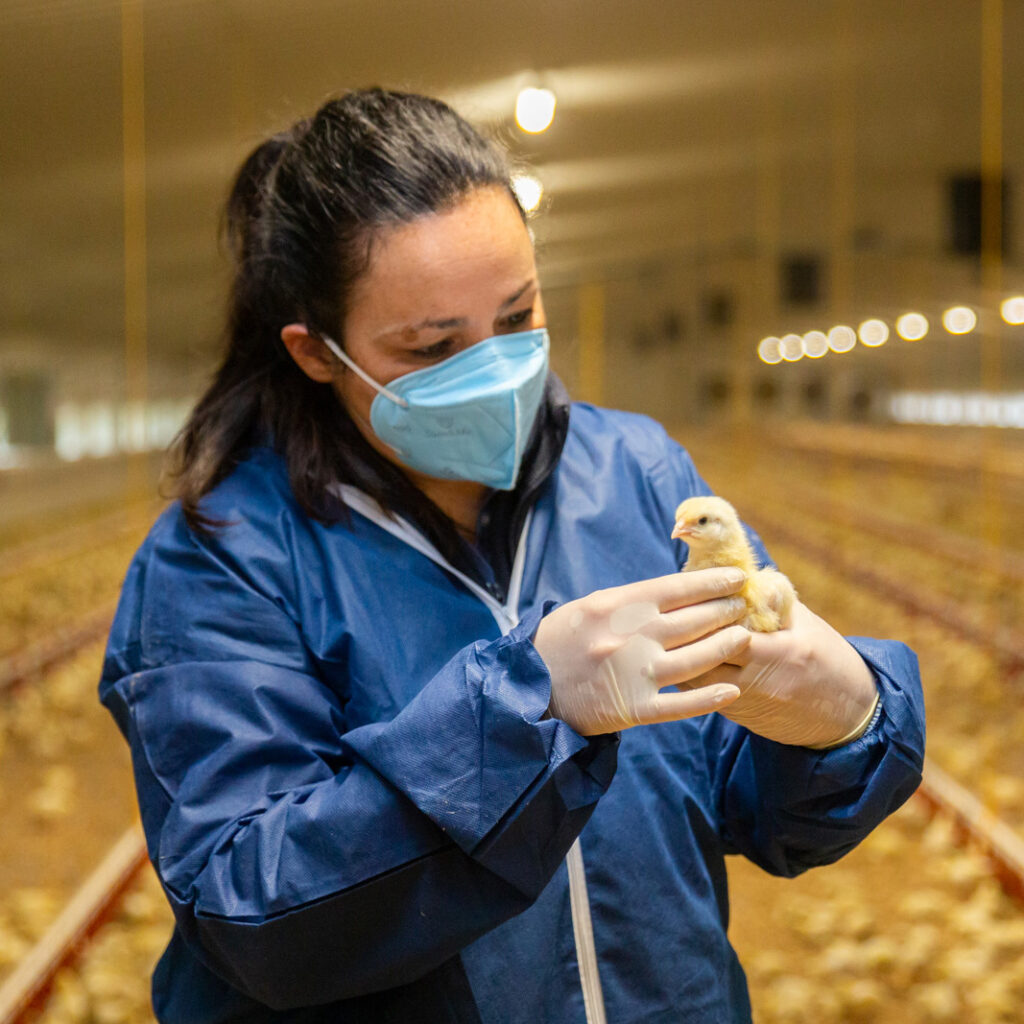
Our Clinical Director, Sara, has recently written an article for Farmers Weekly exploring how to reduce the risk of Enterococcus lameness in broilers. Enterococcus infections can cause severe lameness and paralysis, impacting both bird welfare and farm performance.
SEPTEMBER 2026
How to reduce the risk of Enterococcus lameness in broilers
Key prevention measures include:
- Good brooding conditions
- Clean sheds and drinking water
- Strong immunity and coccidiosis control
- Robust biosecurity
- Early identification of affected birds
- Investigating possible co-infections
Good gut health, hygiene and management from day one can help protect your flock To read the full article: Enterococcus lameness in broilers
Why is clean water key to poultry production?
By Cosmin Chintoan-Uta BVSc MSc PhD FHEA MRCVS
Clean water is key in poultry production, yet water quality may be
overlooked until a problem becomes visible. By that point, the impact on flock performance and health may already be significant.
Poor water quality can affect poultry in several ways. High bacterial counts, particularly coliforms, Pseudomonas spp., or Staphylococcus aureus, can challenge gut health, increase susceptibility to infection, and undermine the effectiveness of medication or vaccination programmes delivered via the drinker system. Pseudomnas can also cause biofilm, a deposit inside the pipes that is difficult to clean and that can protect other bacteria that can cause more disease from the effects of sanitisers.
Water quality can deteriorate at multiple points between the source and the bird. Mains supply, header tanks, pipework, and drinker lines each present opportunities for biofilm formation and contamination. A clean source does not guarantee clean water at the point of delivery, which is why end-point testing is important.
At Newbridge Scientific, we offer a comprehensive water testing menu covering:
- Total viable count
- Coliforms
- Pseudomonas
- Staphylococcus aureus
- Enterococcus
Results are supported by our team of poultry vets, who can help interpret findings in the context of your system and recommend corrective action where needed. While these tests are not currently UKAS accredited, they are carried out in accordance with our stringent internal quality standards.
Whether you test routinely or only when problems arise, Newbridge Scientific can help you understand the quality of the water your birds are drinking and identify potential issues before they impact flock health and performance.
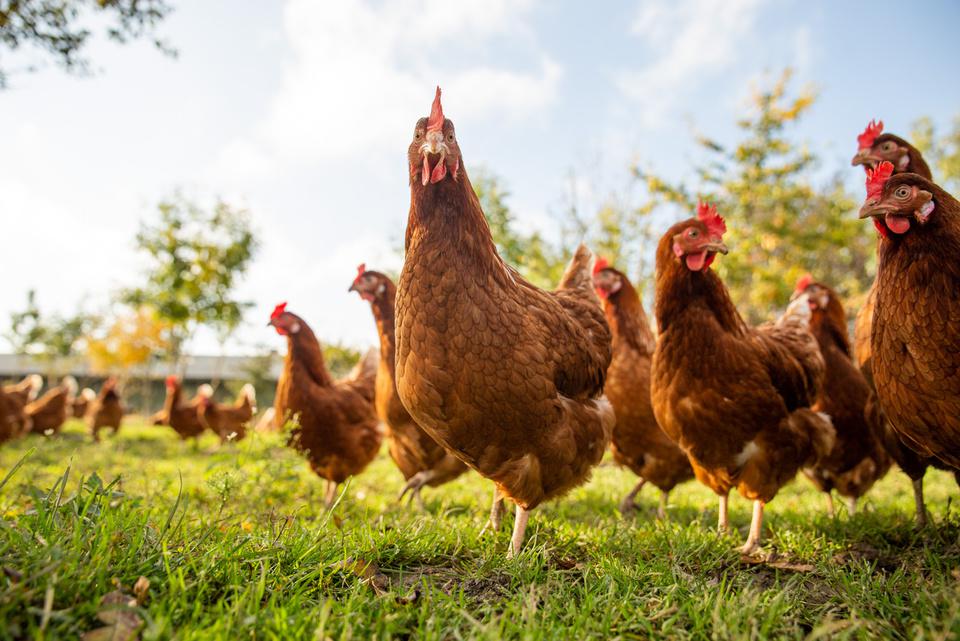
Upcoming Events – BFREPA Live 2026
PHS is returning to BFREPA Live in November! Thursday, 26th November 2026 at the Telford International Centre. The event will feature the British Free Range Show, the BFREPA Annual Awards, and a host of exhibitors. For more information: https://www.bfrepa.co.uk/live